

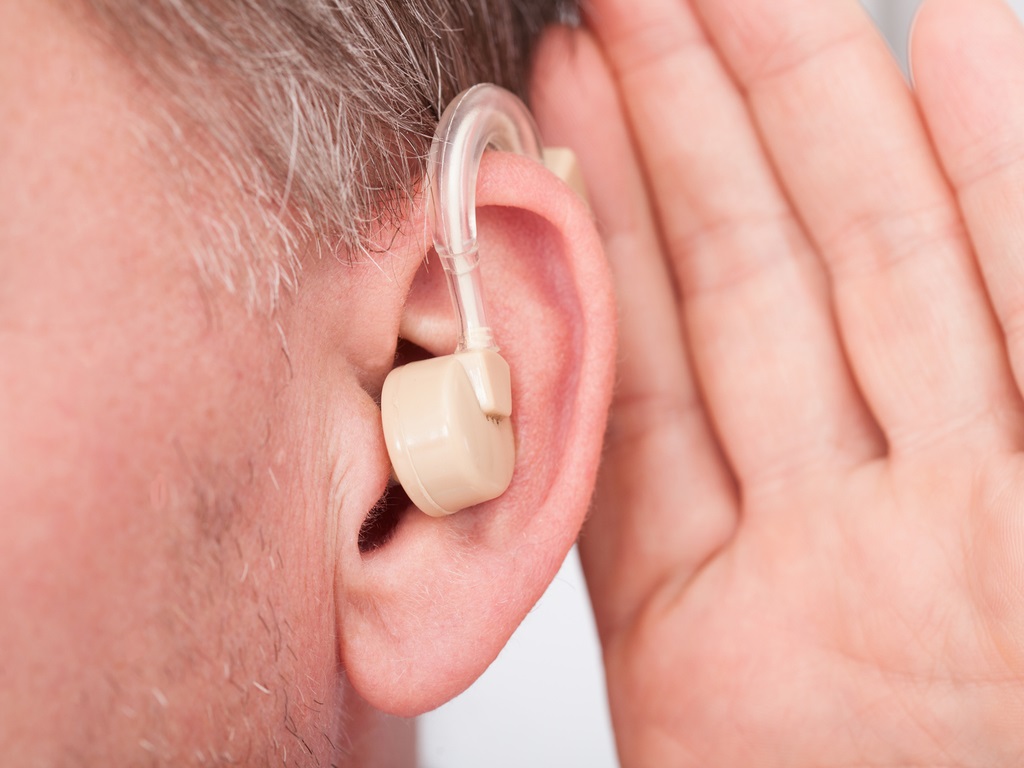
Hearing loss is a common concern that can significantly impact one’s quality of life. Over-the-counter (OTC) hearing aids have emerged as a convenient option for individuals seeking affordable and easily accessible solutions. However, before making a purchase, there are important factors to consider. This article provides a straightforward guide on what to take into account before purchasing OTC hearing aids.
Understanding OTC Hearing Aids
OTC hearing aids can be bought directly by consumers without a prescription. They are designed to provide amplification for individuals with mild to moderate hearing loss. While OTC hearing aids offer accessibility and affordability, one must approach the decision to purchase them with careful consideration.
Assessing Hearing Loss Severity
Before choosing OTC hearing aids, it’s essential to determine the severity of the hearing loss. Mild to moderate hearing loss is typically well-suited for OTC options. However, if the hearing loss is severe, consult a hearing healthcare professional for a comprehensive evaluation and personalized recommendations.
Consulting a Professional
While OTC hearing aids don’t require a prescription, consulting a hearing healthcare professional is still valuable. A hearing evaluation by an audiologist can provide insights into the nature and extent of the hearing loss. Their expertise can help individuals make informed decisions about the suitable hearing aid options for their needs.
Understanding Device Features
OTC hearing aids come with varying features, and it’s important to understand them before purchasing. Some devices offer basic amplification, while others offer advanced features such as sound reduction, feedback suppression, and directional microphones. Consider the environments in which the hearing aids will be used and choose features that align with those needs.
Realistic Expectations
It’s important to have realistic expectations about the outcomes of using OTC hearing aids. While these devices can provide amplification and improve hearing in certain situations, they may not offer the same level of customization and precision as professionally fitted hearing aids. Individuals should understand the limitations of OTC options and adjust their expectations accordingly.
Comfort and Fit
Comfort and fit are important for a positive hearing aid experience. OTC hearing aids are designed to be one-size-fits-most, but individual ear shapes and sizes vary. Ensuring a comfortable fit can impact how well the hearing aids perform and how likely individuals are to wear them consistently.
Affordability
Affordability is a significant advantage of OTC hearing aids. However, individuals should factor in the cost of batteries, maintenance, and any potential additional accessories. It’s also worth comparing the cost of OTC options to professionally fitted hearing aids, as the latter may offer more tailored solutions.